

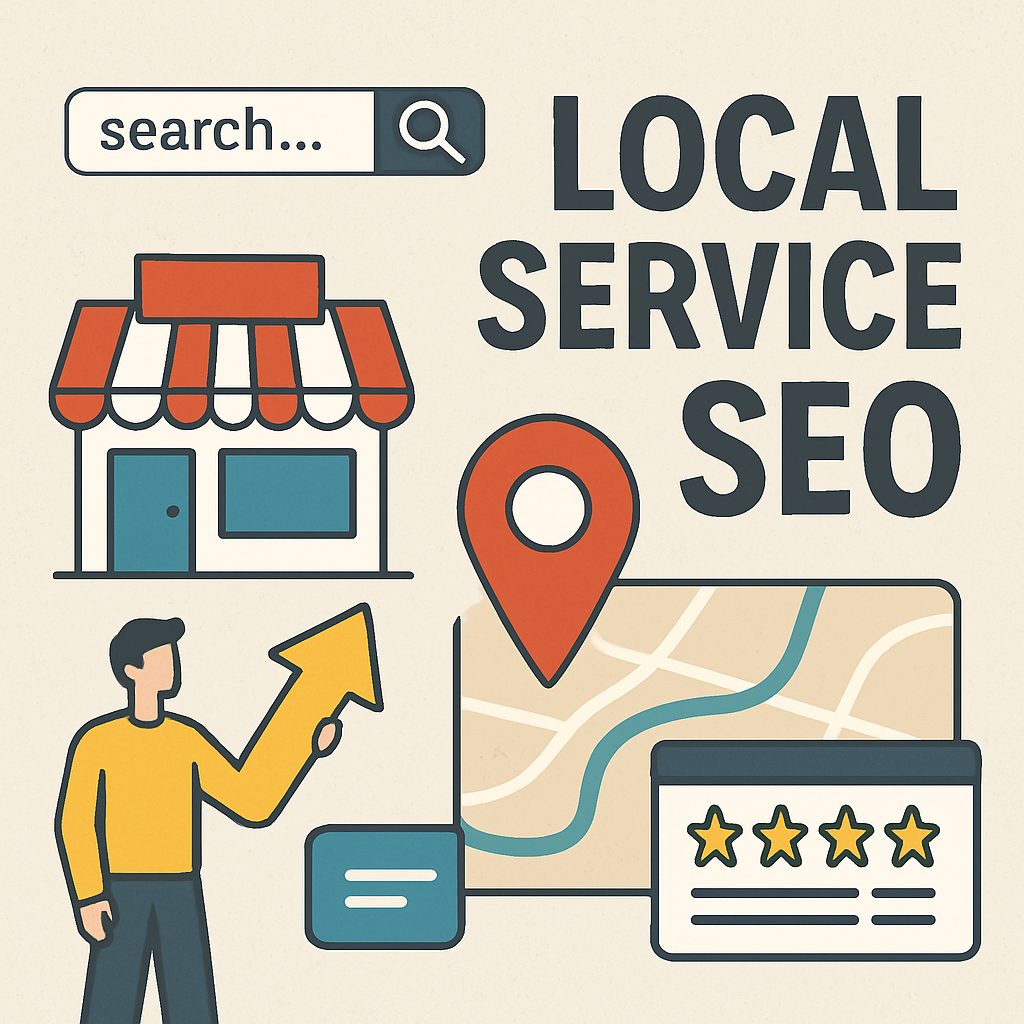
SEO for Service Providers
SEO for Service Providers
Are you a service provider looking to expand your reach and attract more local customers? Understanding SEO for service providers is crucial to your success. This guide will walk you through effective strategies to rank your service area business higher in local search results and connect with potential clients.

In today’s digital world, having a strong online presence is essential. Search Engine Optimization (SEO) helps improve your visibility on search engines, making it easier for potential customers to find your services. For service area businesses, local SEO is especially important because it targets customers in your specific geographical area.
Enhancing Visibility and Reach
Increasing your visibility in local search results can significantly expand your customer reach. With more people turning to search engines to find local services, ensuring your business appears in relevant searches is paramount. This not only brings more eyes to your business but also attracts potential customers actively seeking your services.
Building Trust and Credibility
Appearing at the top of search results can also enhance your business’s credibility. Customers often perceive businesses that rank highly as more reliable and trustworthy. By investing in SEO, you build a solid reputation that instills confidence in prospective clients, making them more likely to choose your services.
Outpacing the Competition
In a competitive market, SEO can give you a crucial edge over your competitors. By optimizing your online presence, you ensure that your business stands out in search results. This means that even if competitors offer similar services, your business will be more likely to attract the attention of potential customers.
How SEO Impacts Your Business
SEO helps drive traffic to your website, increases brand awareness, and ultimately leads to more bookings or sales. When done right, it can give you a competitive edge in your local market.
Key Local Ranking Factors
To effectively implement SEO for service providers, it’s important to understand the local ranking factors that influence search results. Here are the most critical elements to focus on:
Google My Business
Creating and optimizing a Google My Business (GMB) profile is one of the most effective local SEO strategies. Ensure that your GMB profile is complete with accurate business information, such as your address, phone number, and business hours. Regularly update your profile with photos and encourage satisfied customers to leave reviews.
Crafting a Comprehensive GMB Profile
A detailed GMB profile is crucial for local SEO. Include all necessary business details, such as your service area, hours of operation, and contact information. Accurate information helps Google understand your business and improves your chances of appearing in local search results.
Engaging Through Customer Reviews
Customer reviews play a significant role in local SEO. Encourage happy customers to leave positive feedback and respond to reviews to show that you value customer input. Regularly interacting with reviews can improve your ranking and foster customer trust.
Utilizing GMB Features
Google My Business offers various features that enhance your SEO efforts. Take advantage of GMB posts to share news and promotions, and use the Q&A section to address common customer inquiries. These features can increase engagement and help your business stand out.
Local Citations
Local citations are online mentions of your business, including your name, address, and phone number (NAP). Consistent and accurate citations across various platforms improve your local search rankings. Consider listing your business in local directories and industry-specific websites.
Ensuring Citation Consistency
Consistency in your NAP information across all platforms is vital. Discrepancies can confuse search engines and negatively impact your local rankings. Regularly audit your citations to ensure accuracy and fix any inconsistencies promptly.
Leveraging Industry-Specific Directories
Industry-specific directories can be valuable for local SEO. Listing your business in these directories not only enhances your visibility but also signals to search engines that your business is relevant in your field. Make sure to choose reputable directories for maximum impact.
Building Local Partnerships
Partnering with local businesses can improve your citation profile. Collaborate with complementary businesses to cross-promote services and share links. These partnerships can enhance your local authority and drive traffic to your site.
On-Page SEO

On-page SEO involves optimizing the content and structure of your website. Use relevant keywords in your titles, headers, and meta descriptions. Ensure your website is mobile-friendly and loads quickly to enhance user experience.
Crafting Compelling Title Tags and Meta Descriptions
Title tags and meta descriptions are your first chance to grab a searcher’s attention. Use targeted keywords naturally and write compelling descriptions that encourage clicks. This not only improves SEO but also increases your click-through rate.
Optimizing Website Structure
A well-structured website enhances user experience and SEO. Use clear navigation and logical site architecture to help users and search engines find your content easily. A seamless structure can lead to longer site visits and better rankings.
Prioritizing Mobile and Speed Optimization
With more users accessing websites on mobile devices, mobile optimization is crucial. Ensure your site is responsive and loads quickly to prevent potential customers from bouncing. Speed and mobile-friendliness are key ranking factors, so invest in these areas to improve your SEO.
Backlinks
Backlinks are links from other websites that point to your site. They signal to search engines that your website is credible and authoritative. Focus on acquiring high-quality backlinks from local businesses, industry associations, and reputable websites.
Identifying Link Building Opportunities
Look for opportunities to build backlinks from relevant, authoritative sites. Reach out to local businesses, industry publications, and influencers to explore potential collaborations. Quality backlinks can significantly boost your SEO efforts.
Creating Shareable Content
Develop content that others find valuable and want to share. This includes informative blog posts, infographics, and videos that address industry-specific topics. Shareable content naturally attracts backlinks and enhances your online authority.
Monitoring and Maintaining Backlink Quality
Regularly audit your backlink profile to ensure quality and relevance. Disavow any spammy or low-quality links that could harm your SEO. Maintaining a clean backlink profile is essential for sustaining your search engine rankings.
Local SEO Tips for Service Providers
Implementing local SEO strategies can be straightforward if you follow these practical tips:
Optimize for Voice Search
As voice search becomes more popular, it’s important to optimize your content for voice queries. Use natural language and answer common questions your customers might ask. For example, “Where can I find a reliable plumber near me?”
Understanding Voice Search Patterns
Voice search queries often differ from text searches. They are typically longer and more conversational. Study common voice search patterns to tailor your content accordingly, focusing on natural language and direct answers.
Creating FAQ Sections
Develop FAQ sections on your website to address common voice search queries. Organize questions and answers clearly to help both users and search engines find relevant information quickly. FAQ sections can improve your chances of ranking for voice searches.
Leveraging Schema Markup
Schema markup helps search engines understand your content better. Use structured data to enhance your website’s visibility in voice search results. Implementing schema markup can lead to rich snippets and improved search presence.
Create Location-Specific Content
Develop content that speaks directly to your local audience. Consider writing blog posts or creating videos that highlight local events, customer testimonials, or case studies. This not only boosts your SEO but also strengthens your connection with the community.
Highlighting Local Events and News
Covering local events and news positions your business as a community-focused entity. Engage with local happenings and share content that resonates with your audience. This strategy fosters community ties and enhances local SEO.
Showcasing Customer Stories
Customer testimonials and case studies provide social proof and build trust. Share stories that highlight your services’ impact on local clients. Authentic testimonials can attract new customers and reinforce your expertise.
Developing Local Guides
Create guides that offer valuable information about your area. These could include lists of local attractions, resources, or tips related to your services. Local guides position your business as a helpful resource, improving engagement and SEO.
Use Local Keywords
Incorporate location-specific keywords into your content to target potential customers in your area. Instead of generic keywords like “plumbing services,” use terms like “plumbing services in Your City.”
Conducting Local Keyword Research
Use tools like Google Keyword Planner to identify popular local search terms. Focus on long-tail keywords that reflect local intent. Local keyword research ensures your content aligns with what potential customers are searching for.
Integrating Keywords Naturally
Avoid keyword stuffing and prioritize natural integration. Use local keywords in titles, headings, and throughout your content where relevant. Natural keyword usage improves readability and enhances SEO performance.
Monitoring Keyword Performance
Regularly track your keyword rankings and adjust your strategy as needed. Use analytics tools to assess how your local keywords are performing and refine your approach to maximize results.
Building a Local SEO Strategy for Service Area Businesses
A comprehensive local SEO strategy is essential for service area businesses to thrive online. Here’s how you can build an effective strategy:
Conduct a Local SEO Audit
Start by assessing your current online presence. Identify areas that need improvement, such as your website’s performance, keyword usage, and citation consistency. Tools like Google Analytics and Moz Local can help you gather valuable insights.
Evaluating Website Performance
Examine your website’s speed, mobile responsiveness, and user experience. Identify technical issues that could hinder your SEO efforts. A smooth and efficient website is crucial for retaining visitors and improving search rankings.
Analyzing Keyword Usage
Audit your current keyword strategy to ensure alignment with local search intent. Identify gaps and opportunities for improvement in your keyword targeting. Effective keyword usage is vital for attracting local customers.
Checking Citation Consistency
Review your NAP information across various platforms for consistency. Correct any discrepancies that could negatively impact your local SEO. Consistent citations enhance your credibility and search engine visibility.
Set Clear Goals
Define what you want to achieve with your local SEO efforts. Whether it’s increasing website traffic, generating more leads, or boosting brand awareness, having clear goals will guide your strategy.
Prioritizing Business Objectives
Identify the primary objectives you want your local SEO strategy to achieve. Consider factors such as sales growth, customer engagement, or market expansion. Clear objectives provide focus and direction for your SEO efforts.
Establishing Measurable Targets
Set specific, measurable targets that align with your business goals. Use metrics like website traffic, conversion rates, and customer acquisition to evaluate success. Measurable targets help track progress and assess ROI.
Aligning SEO with Business Goals
Ensure that your SEO strategy supports your overall business goals. Integrate SEO into your broader marketing and business plans for cohesive growth. Alignment ensures that all efforts work towards common objectives.
Develop a Content Plan
Create a content plan that aligns with your goals and addresses the needs of your target audience. Consistently publish valuable content that showcases your expertise and attracts local customers.
Identifying Audience Needs
Understand your target audience’s preferences and pain points. Develop content that addresses their needs and provides solutions. Audience-focused content enhances engagement and strengthens customer relationships.
Planning Content Types and Formats
Decide on the types of content that best suit your audience and goals. Consider a mix of blog posts, videos, infographics, and more. Varied content formats cater to different preferences and expand your reach.
Scheduling Consistent Publishing
Establish a content calendar to ensure regular publishing. Consistency is key to maintaining audience interest and improving SEO. A well-planned schedule helps keep your content strategy on track.
Leveraging Google Local SEO for Service Area Businesses

by Suzi Kim (https://unsplash.com/@kimsuzi08)
Google offers several tools and features that can enhance your local SEO efforts:
Google Reviews
Encourage satisfied customers to leave positive reviews on your Google My Business profile. Reviews not only improve your search rankings but also build trust with potential clients.
Responding to Customer Reviews
Engage with customer reviews by responding promptly and professionally. Acknowledging feedback, whether positive or negative, shows that you value customer input. This interaction can enhance your reputation and encourage more reviews.
Implementing a Review Strategy
Develop a strategy for generating and managing reviews. Encourage satisfied customers to leave feedback through follow-up emails or incentives. A proactive approach can increase your number of reviews and improve your local SEO.
Monitoring and Analyzing Reviews
Regularly monitor your reviews to identify trends and areas for improvement. Use feedback to refine your services and address any issues. Analyzing reviews provides valuable insights into customer satisfaction and business performance.
Google Maps
Ensure your business is accurately listed on Google Maps. This helps customers find your location easily and can improve your local search visibility.
Verifying Your Business Listing
Verify your business listing on Google Maps to enhance credibility. Verified listings are more likely to appear in local searches and attract more customers. Verification also allows you to manage your business information effectively.
Optimizing Map Listings
Ensure your map listing includes accurate and detailed information. Add photos, service descriptions, and contact details to enhance your listing. A comprehensive map listing improves user experience and search visibility.
Leveraging Google Maps Features
Utilize Google Maps features such as directions and customer photos. Encourage customers to add photos of your business and provide directions to your location. These features enhance customer interaction and improve local SEO.
Google Posts
Use Google Posts to share updates, promotions, and events directly on your GMB profile. This feature allows you to engage with your audience and keep your business information current.
Crafting Engaging Google Posts
Create engaging posts that capture your audience’s interest. Use compelling headlines, visuals, and clear calls-to-action to encourage interaction. Well-crafted posts can drive traffic to your website and boost your SEO.
Scheduling Regular Updates
Plan a schedule for posting regular updates on your GMB profile. Consistent posting keeps your audience informed and engaged. Regular updates also signal to Google that your business is active and relevant.
Tracking Post Performance
Monitor the performance of your Google Posts to understand what resonates with your audience. Use insights to refine your content strategy and improve engagement. Tracking performance helps optimize your Google Posts for maximum impact.
Conclusion
SEO for service providers is a powerful tool to attract local customers and grow your business. By focusing on local ranking factors and implementing effective strategies, you can improve your online presence and connect with more potential clients. Remember to regularly update your SEO efforts to adapt to changing trends and maintain your competitive edge.
Whether you’re a small business owner or a marketing manager, understanding and applying these local SEO tips will help you achieve your goals and drive business growth. Now is the time to optimize your service area business for local search success.